

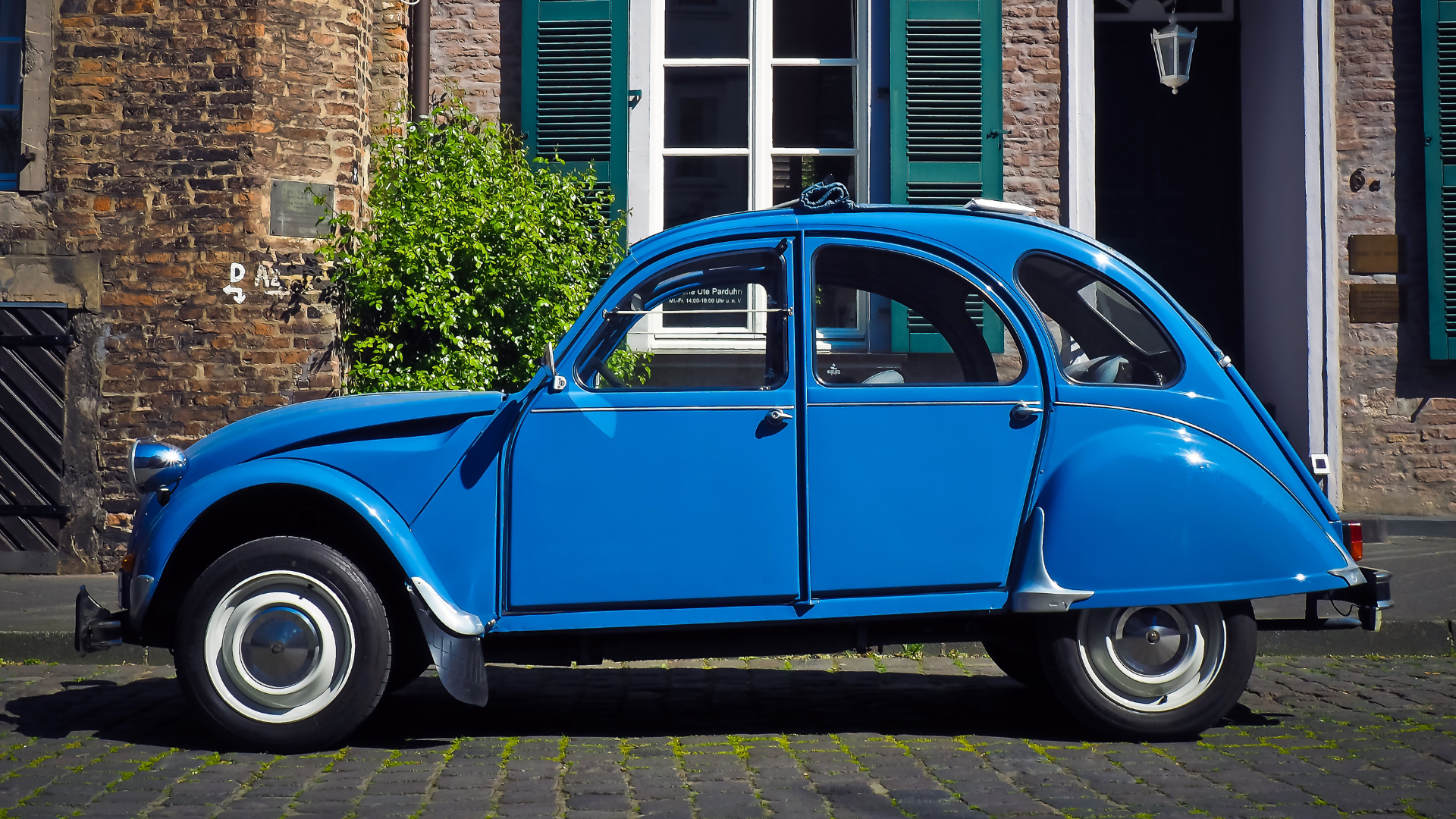
Classic cars often evoke nostalgia and admiration, and one of the essential elements of their charm lies in their upholstery. Mastering various upholstery techniques not only enhances the aesthetic appeal but also improves the comfort and longevity of classic car seats. Whether restoring an antique model or maintaining a vintage gem, the right techniques can make a significant difference.
From sewing methods to foam selection, owners need to consider multiple factors when reupholstering their classic car seats. This process not only involves skillful craftsmanship but also an understanding of the materials that best suit each vehicle’s unique style. Knowledge of traditional patterns and modern innovations can create a truly remarkable finish.
For enthusiasts and restorers alike, learning about upholstery techniques provides valuable insight into preserving automotive history. By exploring these methods, they can ensure their classic cars remain not just a mode of transport, but a timeless work of art.
History of Upholstery in Classic Cars
Upholstery in classic cars has evolved significantly since the early 20th century. The materials and techniques used not only served functional purposes but also highlighted the design aesthetics of the era.
In the 1920s and 1930s, handmade leather and fabric were common. Artisans focused on combining durability with luxury. Various patterns and colours allowed for personalisation.
During the post-war period, vinyl became popular for its affordability and ease of maintenance. Car manufacturers used vinyl alongside cloth to create vibrant interior spaces.
The 1960s and 1970s saw a resurgence of premium materials. Automakers began to offer custom options for upholstery, using high-quality leather and intricate stitching to enhance the car’s appeal.
By the 1980s, technology introduced synthetic materials that mimicked the appearance and feel of natural leather. This innovation catered to a growing desire for both luxury and sustainability.
Today, classic car upholstery reflects a blend of vintage charm and modern techniques. Restorers meticulously replicate original patterns while employing advanced materials that improve longevity.
The evolution of upholstery techniques demonstrates the ongoing appreciation for classic cars and their interiors. Each era contributes to the rich tapestry of automotive history.
Materials Commonly Used for Classic Car Seats
Different materials are utilised in classic car seats, each offering unique qualities that impact both comfort and durability. Understanding these materials helps owners make informed choices.
Leather and Its Maintenance
Leather is a popular choice for classic car seats due to its luxurious appearance and durability. It offers a timeless look and feel that enhances the vehicle’s aesthetic.
Proper maintenance of leather is essential for longevity. Regular cleaning with a soft, damp cloth prevents dirt from accumulating and helps maintain its shine. Conditioning products should be applied periodically to prevent cracking and drying out. Using a leather protector can also guard against stains and spills.
Wear and tear, such as scratches or fading, can occur over time. Addressing minor damages quickly can prevent further deterioration. A professional restoration may be required for significant issues, ensuring the vehicle retains its original charm.
Vinyl Fabrics and Durability
Vinyl fabrics are commonly used in classic car interiors for their affordability and versatility. These materials are resistant to staining and fading, making them an attractive option for those seeking lower maintenance.
Vinyl can mimic the look of leather while being lighter and more resistant to moisture. This quality can be particularly beneficial in varying climates. When cleaning vinyl seats, a mixture of mild soap and water typically proves effective.
While vinyl is durable, it can become less flexible over time and may crack if exposed to extreme temperatures. Choosing high-quality vinyl can enhance longevity and maintain the seat’s appearance.
Cloth Options and Considerations
Cloth upholstery is another choice for classic car seats, offering a variety of textures and patterns. It is breathable and can increase comfort during hot weather, making it popular among classic car enthusiasts.
However, cloth is generally less durable than leather or vinyl. Staining can be an issue, particularly with lighter colours. Using a suitable fabric protector at installation helps ward off spills and stains.
Different weave types can affect the look and feel of cloth seats. Tighter weaves may be more resistant to wear, while looser weaves offer a softer touch. Regular vacuuming and occasional steam cleaning can help maintain cloth upholstery for years.
Tools and Equipment
Having the right tools and equipment is essential for successful upholstery work on classic car seats. A combination of basic and advanced tools can enhance the quality of the finished project.
Basic Hand Tools for Upholstery
Basic hand tools are crucial for any upholstery project. Key tools include:
- Staple Gun: Used to attach fabric securely to the frame.
- Upholstery Needles: Designed for sewing through thick materials.
- Pliers: Helpful for pulling staples or tacks from old upholstery.
- Scissors: Sharp fabric scissors are necessary for clean cuts.
- Measuring Tape: Ensures accurate measurements for fabric needs.
These tools enable precise and efficient work. It is important to keep them organised and in good condition to avoid unnecessary delays.
Advanced Equipment for Professional Results
For those aiming for professional quality, advanced equipment can make a significant difference. Some important items include:
- Industrial Sewing Machine: Designed specifically for heavy fabrics. It can handle multiple layers with ease.
- Electric Stapler: Speeds up the process when dealing with larger projects.
- Drapery Tool: Assists in sewing curves or complex shapes.
- Air Compressor: Powers pneumatic staple guns for better efficiency.
Investing in advanced tools can cater to complex designs and enhance craftsmanship. They are designed to reduce manual effort while increasing accuracy and finish quality.
Preparation and Disassembly
Before beginning upholstery work on classic car seats, thorough preparation is essential. Disassembling the seats properly ensures that each component can be cleaned and restored. Careful handling during this phase prevents damage to various parts.
Removing the Seats and Components
Start by disconnecting the battery to avoid electrical issues. Then, locate and remove any bolts or screws securing the seats to the floor. Each car model varies; refer to the owner’s manual for specific locations.
After unbolting, carefully tilt the seat back and unplug any electrical connectors for power seats or built-in heaters. Lift the seat out, ensuring that no wiring is caught.
For additional components like headrests, armrests, or console covers, check for clips or screws that may be hidden under upholstery or felt. Document the disassembly process with photos for ease during reassembly.
Cleaning and Inspection of Seat Frames
Once components are removed, the seat frames should be cleaned thoroughly. Use a vacuum to eliminate dust and debris, paying attention to crevices.
Inspect the frames for rust or structural damage. Areas with corrosion can often be treated with rust remover or sandpaper.
Verify that the frame is stable and free of cracks. Repair any damaged areas before proceeding. If seat springs or foams are involved, assess their condition too, as they may require replacement or repair. Keeping records of any repairs will aid in a smooth reassembly.
Seat Foam and Springs
Restoring classic car seats often involves replacing worn seat foam and addressing springs. Both components significantly affect comfort and support, essential for an enjoyable driving experience.
Replacing Seat Foam for Comfort
Seat foam deteriorates over time due to regular use and exposure to elements. Replacing the foam can greatly enhance comfort levels. When selecting foam, it is important to consider density and thickness.
Types of Foam:
- High-Density Foam: Provides better support and longevity.
- Memory Foam: Conforms to the body but may retain heat.
The process involves removing the seat cover to access the foam. It’s crucial to measure the old foam to ensure a proper fit. Cutting the new foam to the same dimensions ensures a snug installation within the seat frame.
Repairing and Retensioning Springs
Springs provide essential support and structure to car seats. Over time, springs can weaken or become detached, leading to discomfort. Retensioning and repairing springs is a valuable skill.
Steps to Repair:
- Assess the Springs: Look for breaks or looseness.
- Reattach or Replace: For minor damage, reattaching or adjusting tension can suffice. If a spring is irreparable, replacement may be necessary.
Using specialised tools for this task is important. Retensioning tools can help restore the original firmness. Properly maintained springs not only improve comfort but also prolong the life of the seat and enhance the overall driving experience.
Techniques for Classic Seat Restoration
Restoring classic car seats involves precise techniques that ensure durability and aesthetic appeal. Key methods include specialised stitching and adherence practices to strengthen and preserve the fabric and structure of the seats.
Stitching and Sewing Methods
Effective stitching is vital in restoring classic car seats. Choosing the right thread is essential; polyester or nylon threads are preferred for their strength and resistance to fading.
Stitching Techniques:
- Double Stitching: Involves stitching twice to reinforce seams, particularly in high-stress areas.
- Topstitching: Adds a decorative touch and enhances durability, often used for visible seams.
A strong sewing machine capable of handling thick materials is necessary. For hand-sewing, using a curved needle can help reach difficult areas.
Proper tension settings on the sewing machine prevent puckering, ensuring a smooth finish.
Applying Adhesives and Reinforcements
Adhesives play a crucial role in maintaining the integrity of classic car seats. They bond layers of upholstery, padding, and other materials securely.
Recommended Adhesives:
- Spray Adhesives: Provide even coverage and are effective for attaching foam to the fabric.
- Contact Cement: Ideal for bonding stiff materials and can withstand temperature fluctuations.
Reinforcement materials like vinyl or leather should be applied to areas prone to wear, such as corners and seams.
Using a roller or brush helps spread the adhesive evenly. Allowing adequate curing time is essential for a long-lasting bond.
Design and Customisation
Design and customisation play a crucial role in upholstery for classic car seats. They allow owners to personalise their vehicles while maintaining the aesthetic integrity of the original design. Two important aspects to consider are patterns and styles, along with the incorporation of personal touches.
Choosing Patterns and Styles
Selecting the right patterns and styles is essential for achieving the desired look. Classic cars often feature specific upholstery designs that reflect their era. Popular choices include:
- Tweed: Offers a traditional look, often used in older models.
- Vinyl: Known for its durability and easy maintenance.
- Leather: Provides a luxurious finish and classic appeal.
Tips for selection:
- Match patterns with the car’s exterior colour.
- Choose styles that reflect the car’s history and heritage.
- Consider the comfort and feel of the material.
Harmonising the upholstery with other interior elements creates a cohesive design that enhances the car’s overall beauty.
Adding Personal Touches and Custom Features
Incorporating personal touches elevates the upholstery beyond mere functionality. Custom features might include:
- Embroidery: Personalised initials or logos.
- Piping: Colored piping along seams for added flair.
- Unique Materials: Use exotic materials like Alcantara or suede for a modern twist.
Considerations:
- Ensure that customised elements complement the car’s character.
- Balance personal expression with practicality in material choices.
- Consult with an experienced upholsterer to achieve the best results.
Effective customisation transforms classic car seats into unique showcases of individual style while preserving their original charm.
Upholstery Care and Maintenance
Proper care and maintenance of upholstery enhance the longevity and appearance of classic car seats. Implementing routine cleaning and taking steps to prevent wear and tear are essential practices for preserving upholstery quality.
Routine Cleaning Tips
Regular cleaning of upholstery helps maintain its appearance and prevents dirt buildup. It is advisable to use a soft brush or vacuum cleaner with a brush attachment to remove dust and debris from the seams and surfaces.
For deeper cleaning, a damp microfiber cloth or sponge can be used, along with a mild detergent diluted in warm water. Always test any cleaning solution on a small, inconspicuous area first. Stains should be treated promptly with a gentle cleaner suitable for the fabric type. Avoid soaking the upholstery; instead, use minimal moisture to prevent damage.
Prevention of Wear and Tear
To protect upholstery from wear, consider the following preventive measures:
- Use Seat Covers: Custom-fit seat covers can protect original upholstery from spills and abrasions.
- Avoid Harsh Chemicals: Some cleaning products can degrade upholstery material. Stick to pH-balanced cleaners.
- Maintain Climate Control: Extreme temperatures and sun exposure can fade and crack materials. Parking in shaded areas or using UV-protective window films can be beneficial.
- Prompt Repairs: Address any tears or loose seams immediately to prevent further damage.
Implementing these practices ensures that the upholstery in classic cars remains in optimal condition over time.
Troubleshooting Common Issues
Maintaining classic car seat upholstery requires attention to common problems. Addressing tears and fading can help restore the beauty and functionality of the seats.
Dealing with Tears and Scratches
Tears and scratches can compromise the integrity of upholstery. To repair a tear, start by cleaning the area around the damage to ensure proper adhesion.
Materials needed:
- Upholstery adhesive
- Fabric patch
- Scissors
Cut a fabric patch larger than the tear. Apply adhesive to the patch and firmly press it over the damaged area. For scratches, use a leather conditioner to restore moisture, followed by a colour-matching dye if necessary.
Addressing Fading and Discoloration
Fading is common due to UV exposure and age. To rejuvenate colours, consider a high-quality fabric or leather dye that matches the original hue.
Before applying, clean the upholstery thoroughly to ensure the dye adheres properly. Use a spray bottle for even distribution, and work in small sections.
Steps to prevent future fading:
- Use UV protectant sprays.
- Keep the vehicle covered when not in use.
- Regularly clean the upholstery to maintain its appearance.
Routine maintenance can significantly enhance the longevity of classic car seat upholstery.
Professional Services vs. DIY
Choosing between professional upholstery services and a DIY approach can significantly impact the outcome of restoring classic car seats. The decision should consider the complexity of the project and the skill level required for a successful finish.
Evaluating the Scope of Your Project
The first step is assessing the scope of the project. This includes determining the condition of the seats and the materials required. Simple tasks, such as replacing a seat cover or minor repairs, may be manageable for those with basic skills.
For projects involving extensive damage or custom designs, the complexity increases. Factors to evaluate include:
- Material Selection: Unique fabrics or leathers may need expert handling.
- Techniques Used: Advanced methods like tufting or channelling require specific skills.
- Tools Required: Specialised equipment may be necessary for certain projects.
Consider the time commitment and personal ability before deciding.
When to Hire a Professional Upholsterer
Certain situations necessitate hiring a professional. When the project demands precision and experience, relying on an expert becomes essential. Complex restorations benefit from professional insight.
Signs it may be time to consult a professional include:
- Extensive Damage: Significant tears or structural issues should be handled by a specialist.
- Custom Design Needs: Unique or bespoke projects require advanced skills.
- Lack of Time or Tools: Limited resources might make it impractical to undertake repairs personally.
Investing in professional services ensures a high-quality finish, preserving the integrity and value of classic car seats.