

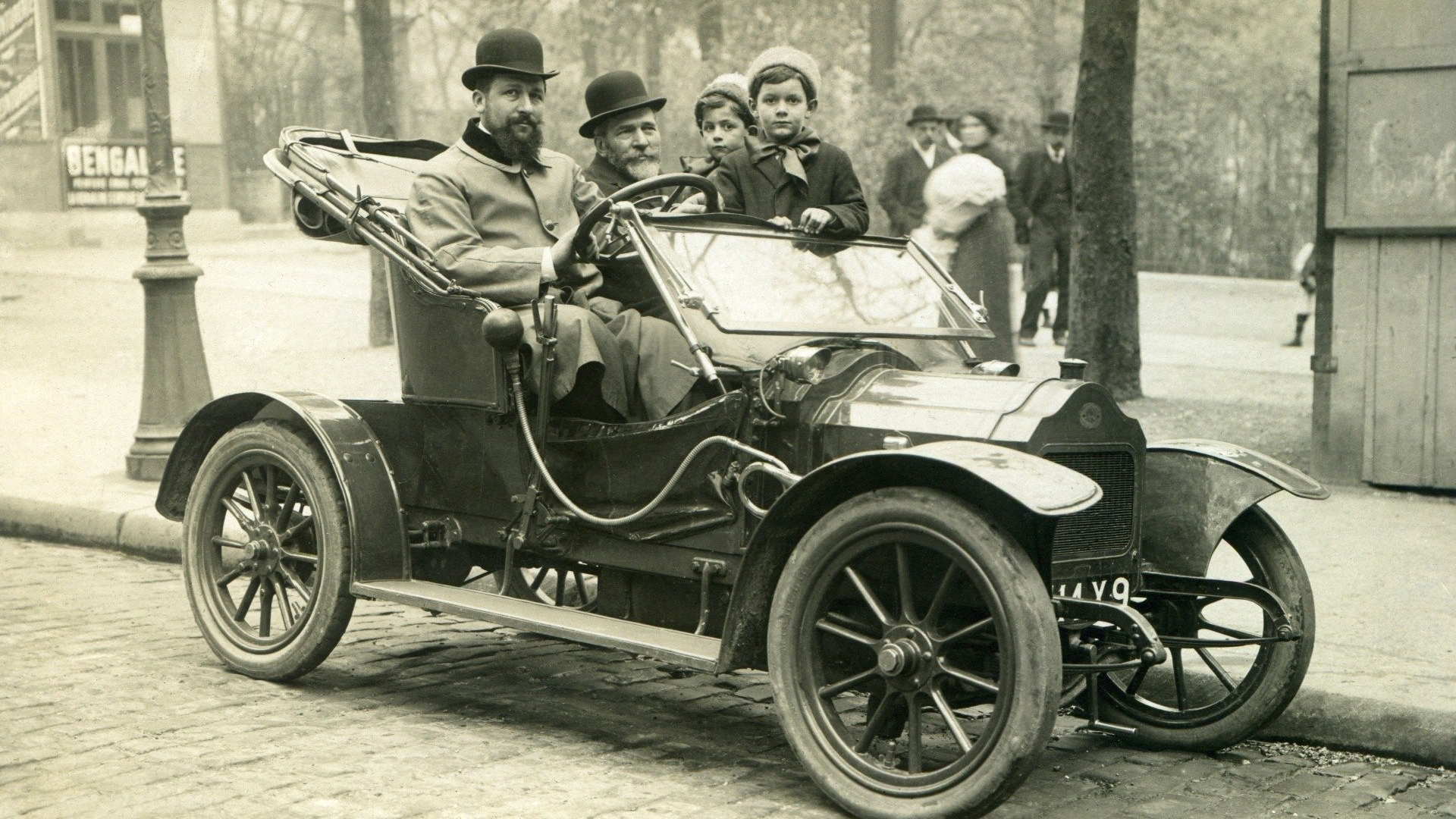
Vintage cars captivate enthusiasts for a variety of reasons. Many appreciate the craftsmanship and design that reflect a unique era in automotive history. These vehicles offer a connection to the past, showcasing engineering marvels that modern cars often lack.
Collectors and casual fans alike are drawn to the nostalgia that vintage cars evoke. They represent not just modes of transportation, but cherished memories and cultural milestones. Each model tells a story, making it easy for enthusiasts to feel a personal attachment.
The thrill of restoration and the community around vintage car shows further fuel this passion. Engaging with like-minded individuals provides a sense of belonging and fosters shared experiences, solidifying the love for these classic automobiles.
Historical Significance of Vintage Cars
Vintage cars represent a significant era in automotive history. They encapsulate the technological advancements and design philosophies of their time.
These vehicles often reflect the social and cultural changes of the periods in which they were made. For instance, the introduction of the assembly line revolutionised production and made cars accessible to a broader audience.
Key Points
- Innovation: Many vintage cars showcase groundbreaking technologies, such as automatic transmissions and V8 engines.
- Cultural Icons: Certain models became symbols of status, freedom, and individuality.
- Preservation of Heritage: Collecting vintage cars helps preserve historical milestones and automotive art.
The nostalgia associated with vintage cars connects enthusiasts to cherished memories. They evoke a sense of simpler times and personal stories tied to family and community.
Owning or restoring a vintage car can be an engaging and fulfilling hobby. It allows individuals to embrace history while enjoying the mechanical craftsmanship involved.
In museums and exhibitions, vintage cars serve educational purposes, illustrating historical contexts. They reflect societal values from different eras, emphasising the evolution of personal transportation.
Emotional Connection and Nostalgia
For many enthusiasts, vintage cars represent much more than machinery. They evoke memories and emotions tied to personal experiences or cultural milestones.
The allure of these vehicles often stems from their association with earlier times. They remind people of a simpler era, often sparking feelings of nostalgia. This connection can be particularly strong among those who grew up with specific models or brands.
Factors Contributing to Emotional Attachment
- Personal Memories: Individuals may recall road trips taken in a family car.
- Cultural Significance: Certain models symbolise specific periods or events in history.
- Aesthetic Appeal: The design and craftsmanship of vintage cars connect with artistic appreciation.
Engaging with vintage cars can be a communal experience. Car shows and clubs provide opportunities for enthusiasts to share their stories and passions. This creates a sense of belonging and strengthens emotional ties to these classic vehicles.
Furthermore, the act of restoring or maintaining a vintage car fosters a deeper connection. Owners invest time and energy, transforming the vehicle into a personalised symbol of their journey.
In essence, the emotional resonance of vintage cars lies in their ability to bridge past and present, allowing individuals to reconnect with fond memories and shared experiences.
Aesthetic Appeal of Classic Design
Vintage cars captivate with their timeless beauty and unique craftsmanship. The curves, lines, and finishes reflect a design philosophy that prioritises form as much as function.
Many enthusiasts appreciate intricate details that modern vehicles often lack. For example, chrome accents and hand-stitched leather interiors showcase the artistry of a bygone era.
The colour palettes of classic cars stand out as well. Many vintage models feature vivid hues and combinations rarely seen today. This range appeals to collectors and casual admirers alike.
Design Elements of Vintage Cars:
- Iconic Grilles: Distinctive front grilles often define the car’s personality.
- Tail Fins: A hallmark of 1950s style, these add character and flair.
- Sleek Silhouettes: The streamlined forms contribute to their nostalgic charm.
Even the sounds of vintage engines evoke a sense of nostalgia. The growl of a classic V8 engine can transport enthusiasts to another time.
The aesthetic appeal extends to the materials used as well. Genuine wood, chrome, and high-quality paint add to the tactile and visual experience.
In a world dominated by uniformity, vintage cars represent individuality and history. Their designs tell stories of the past, making them desirable to many.
Exclusivity and Prestige
The allure of vintage cars often lies in their exclusivity and the prestige that comes with owning one. These vehicles represent a unique blend of history, craftsmanship, and branding that appeals to enthusiasts and collectors alike.
Scarcity and Value
Scarcity significantly contributes to the value of vintage cars. Many classic models were produced in limited quantities, making them sought after by collectors.
- Factors that increase scarcity include:
- Low production numbers
- Ceased production of specific models
- Unique features or specifications
As these vehicles age, their condition and provenance can further enhance their value. Buyers are often willing to pay a premium for models with a rich history or those that have been well-preserved. This finite availability creates an attractive investment opportunity, making vintage cars more than just a mode of transportation.
Status Symbols
Vintage cars also serve as powerful status symbols. Owning such a vehicle often reflects an individual’s wealth, taste, and appreciation for fine engineering.
- Key elements include:
- Brand reputation (e.g., Ferrari, Rolls-Royce)
- Model rarity
- Historical significance
These cars are frequently showcased at prestigious events and gatherings, further reinforcing their image as symbols of status. For many, driving a vintage car is not just about the vehicle itself; it’s about the experience and recognition that accompanies it, elevating the owner’s social standing within their community.
Mechanical Simplicity and Tangibility
Vintage cars are often celebrated for their mechanical simplicity. Early automotive designs lacked the complex electronics and computer systems found in modern vehicles.
Key features of mechanical simplicity include:
- Fewer electronic components: Many vintage cars rely on straightforward mechanical parts, making them easier to repair.
- Basic engine mechanics: The engines typically feature simpler designs, promoting easier maintenance practices.
This straightforward design contributes to a tactile experience that many enthusiasts cherish. The physical interaction required when driving and repairing these vehicles fosters a strong connection.
Owners appreciate the ability to understand and engage with the machinery. Whether it’s changing the oil or adjusting the carburettor, every task can be performed without advanced technical knowledge.
Furthermore, the tangible nature of vintage cars resonates with many people. Each part, often handcrafted, tells a story rooted in a specific era.
Elements of tangibility include:
- Mechanical feedback: Vintage cars provide clear sensory feedback through steering, pedals, and shifting.
- Distinct sound: The unique sounds of vintage engines evoke nostalgia and a sense of involvement.
The combination of mechanical simplicity and tangible interaction creates an experience that reinforces a deep appreciation for vintage automobiles.
Investment and Appreciation Potential
Vintage cars often attract attention as investments due to their potential for appreciation over time. Many collectors view these vehicles not just as hobbies but as serious financial assets.
Factors contributing to their value include:
- Rarity: Limited production models tend to have higher demand.
- Condition: Well-maintained cars with original parts are more valuable.
- Historical Significance: Cars with a unique history or association with notable figures can increase in worth.
The classic car market has shown steady growth. For instance, certain models from the 1960s and 1970s have appreciated significantly in the past decade. Data indicates that well-chosen vintage cars can outperform traditional investments, such as stocks or bonds.
Investors often turn to auctions for buying and selling. Notable platforms include:
| Auction House | Notable Sale Examples |
| Barrett-Jackson | 1967 Shelby GT500 sold for $2.2M |
| RM Sotheby’s | 1955 Ferrari 410 Sport sold for $22M |
Owning a vintage car can also come with tax benefits and potential revenue through rental or display opportunities. Some owners leverage their vehicles for promotional events or film productions.
Overall, vintage cars represent a blend of passion and financial viability, appealing to both enthusiasts and investors alike.
Community and Culture
Vintage car enthusiasts often find a sense of belonging within various communities. This cultural connection not only enhances their passion for cars but also fosters lifelong friendships and shared experiences. Events and clubs play vital roles in this vibrant culture.
Car Shows and Meets
Car shows and meets are significant gatherings that celebrate vintage automobiles. These events showcase a diverse array of classic cars, enabling enthusiasts to appreciate the craftsmanship and design of vehicles from different eras.
Participants can engage in conversations with like-minded individuals, sharing restoration tips and personal stories. Awards may be given in various categories, encouraging competitors to maintain high standards.
Attendees often travel from distant places to connect with fellow fans. This sense of community reinforces their passion and transforms individual interests into collective experiences. The atmosphere is typically filled with nostalgia, excitement, and appreciation for automotive history.
Clubs and Online Forums
Clubs dedicated to vintage cars offer members opportunities for networking and collaboration. These clubs organise events, road trips, and restoration projects, promoting camaraderie among members.
Online forums provide a platform for discussions about specific makes and models. Enthusiasts can exchange technical advice, restoration techniques, and sourcing parts.
Many forums include sections for showcasing members’ projects or asking for help, creating an interactive environment. This digital aspect enhances the reach of vintage car culture, connecting people worldwide.
Both clubs and online platforms serve as invaluable resources, supporting the community and fostering relationships that extend beyond the cars themselves.
Restoration and Customisation
Restoration and customisation are key reasons why enthusiasts are drawn to vintage cars. Many owners find joy in reviving a vehicle’s original beauty. This process often involves meticulous work to bring a car back to its former glory.
Restoration can include several stages:
- Bodywork: Repairing rust, dents, and overall body condition.
- Mechanical Restoration: Overhauling the engine, transmission, and other vital components.
- Interior Restoration: Reupholstering seats and restoring dashboards to original specifications.
Customisation allows owners to personalise their vintage cars. This can involve:
- Paint Jobs: Unique colours and designs that reflect personal style.
- Upgraded Features: Modern technology such as sound systems and enhanced performance parts.
- Wheels and Tires: Choosing specific styles that complement the car’s look.
Many enthusiasts enjoy the creative aspect of customising their vintage cars. This personal touch can make a vehicle truly unique and a reflection of the owner’s personality.
Furthermore, attending car shows and gatherings showcases these restored and customised vehicles. This community aspect fosters a shared appreciation for craftsmanship and design.
In conclusion, restoration and customisation deepen the connection between the owner and their vintage car, creating an enduring passion.
Driving Experience
The driving experience of vintage cars offers a unique connection to the road. Many enthusiasts appreciate the tactile feedback provided by older vehicles. This feeling contrasts sharply with modern cars, which often prioritise convenience and technology.
Key Aspects of Driving Vintage Cars:
- Mechanical Simplicity: Vintage cars often have straightforward mechanical systems, making them easier to understand and repair.
- Direct Engagement: Drivers must actively engage with the car, resulting in a more immersive experience.
- Distinct Sound: The sounds produced by vintage engines can evoke nostalgia and enhance the overall enjoyment of driving.
Many drivers enjoy the slower pace associated with these vehicles. It allows for an appreciation of the surroundings and a more relaxed journey. This contrasts with the fast-paced nature of modern driving.
Benefits of Driving Vintage Cars:
- Character: Each vehicle carries its history and charm.
- Camaraderie: Owners often form communities, sharing experiences and knowledge.
- Aesthetic Appeal: Vintage cars offer classic designs that attract attention.
For some, the joy of driving a vintage car is rooted in its authenticity. This authenticity often fosters a deeper appreciation for automotive history and craftsmanship.
That being said, no matter how beautiful or well-maintained a vintage car may be, safety still depends heavily on responsible driving habits. Drivers should always follow traffic laws, respect speed limits, avoid distractions, and never drink and drive.
Since older vehicles may lack some modern safety technologies, careful driving becomes even more important for protecting both passengers and others on the road. Regular maintenance checks on brakes, tires, steering systems, and lights can also help reduce the risk of accidents.
Even when drivers take every possible precaution, accidents can still happen because of another driver’s negligence or unexpected circumstances. In such situations, some individuals choose to reach out to a top Chattanooga car accident law firm (or one in their local area) to better understand their legal rights, insurance claims, medical compensation options, or liability concerns.
Sustainability Through Reuse
Vintage cars contribute to sustainability by emphasising the importance of reuse. Their longevity means they can remain in use for decades, reducing the need for new production.
Key Points:
- Resource Efficiency: Manufacturing new vehicles consumes significant amounts of resources. Retaining vintage cars minimises demand for raw materials.
- Waste Reduction: Restoring and maintaining older cars prevents them from ending up in landfills. With proper care, many vintage cars can stay operational for much longer.
- Lower Carbon Footprint: The production process for new cars involves high energy use and emissions. Keeping vintage cars on the road can lead to a lower overall carbon footprint.
Considerations for Owners:
- Restoration Projects: Many car enthusiasts take on restoration projects that not only renew the vehicle but also involve environmentally friendly practices.
- Parts Reuse: Older models often rely on simpler components that can be refurbished rather than replaced. This encourages a culture of repairing over disposing.
- Local Economies: Vintage car restoration often supports local businesses, creating jobs and promoting sustainable practices within communities.
Vintage car ownership not only reflects a passion for history and craftsmanship but also symbolises a commitment to sustainable practices through the reuse of valuable resources.